THE
OPTIMISM HABIT
Pessimism is our default factory setting...
Optimism can be developed as a habit to counterbalance it.
Join Joe Hudson Live For This Free 2-Hour Virtual Workshop
COMING SOON - SIGN UP TO BE NOTIFIED!
Monday, Mar 16, 2026
7pm - 9pm ET
4pm - 6pm PT
THE HABITS OF HAPPINESS SERIES: #5
THE OPTIMISM HABIT
Pessimism is our default factory setting... Optimism can be developed as a habit to counterbalance it.
Join Joe Hudson Live For This Free
2-Hour Virtual Workshop
COMING SOON - SIGN UP TO BE NOTIFIED!
Monday, Mar 16, 2026
7pm - 9pm ET | 4pm - 6pm PT
THE HABITS OF HAPPINESS SERIES:
#5 - The Optimism Habit
Thank God for pessimism!
I think pessimism gets a bad rap.
Humans evolved to have a habit of pessimism (i.e. “negativity bias”) because that helped us, as a species, be able to anticipate and prepare for future threats to survival – threats like warring tribes and dwindling food supplies.
We wouldn’t be here today without the pessimism of our ancestors.
Not discounting the survival benefits of pessimism (and there are many), there is a point at which pessimism delivers diminishing returns.
In fact, the “returns” of excessive pessimism actually become counterproductive for our survival.
Predicting turns into perseverating. Preparing turns into preoccupation.
The link between pessimism → stress → disease has been well established.
Which is one of the reasons we are often told by others to (insert eye roll) “Be optimistic.”
Does that approach work? Of course not.
Why? Because we are not wired for optimism.
And, I believe, it would not be useful (even if it were possible) to be 100% optimistic.
To be clear, we need pessimism – the right amount of it.
Think of pessimism like vitamin E.
The right amount of vitamin E is useful in protecting cells from damage caused by free radicals, supporting immune function, and maintaining healthy skin, blood vessels, and brain function.
However, excessive doses of vitamin E can increase the risk of bleeding and strokes, including bleeding in the brain.
Since pessimism is our birthright (part of our default operating system), what we need is the right balance of pessimism and optimism.
After all, optimism has been shown to result in improved physical health, mental health, productivity, relationships, and resilience (to name a few).
And most people have just been told (first by others and then by themselves) to just “be more optimistic.”
This doesn’t work because it’s like swimming upstream against our evolutionary bias toward pessimism.
Optimism isn’t a switch that flips on command.
But it can become a habit that develops over time so that you can experience it routinely and reliably.
That’s why the Optimism Habit is the next habit in the Habits of Happiness series.
Why optimism? What does optimism have to do with happiness?
Well, if chronic pessimism is linked to stress, disease, poor performance, and unhappiness (and it is), and if optimism can counterbalance these effects (which it can), then optimism is essential for happiness.
In the Optimism Habit workshop, you will:
Learn a new way to think about optimism – identifying the subconscious source of your pessimism.
Learn how to develop an optimism practice that is worth repeating until it becomes a habit.
So, if you want to learn a new way to think about optimism, and turn it into a habit, to counterbalance the default pessimism habit, register now.
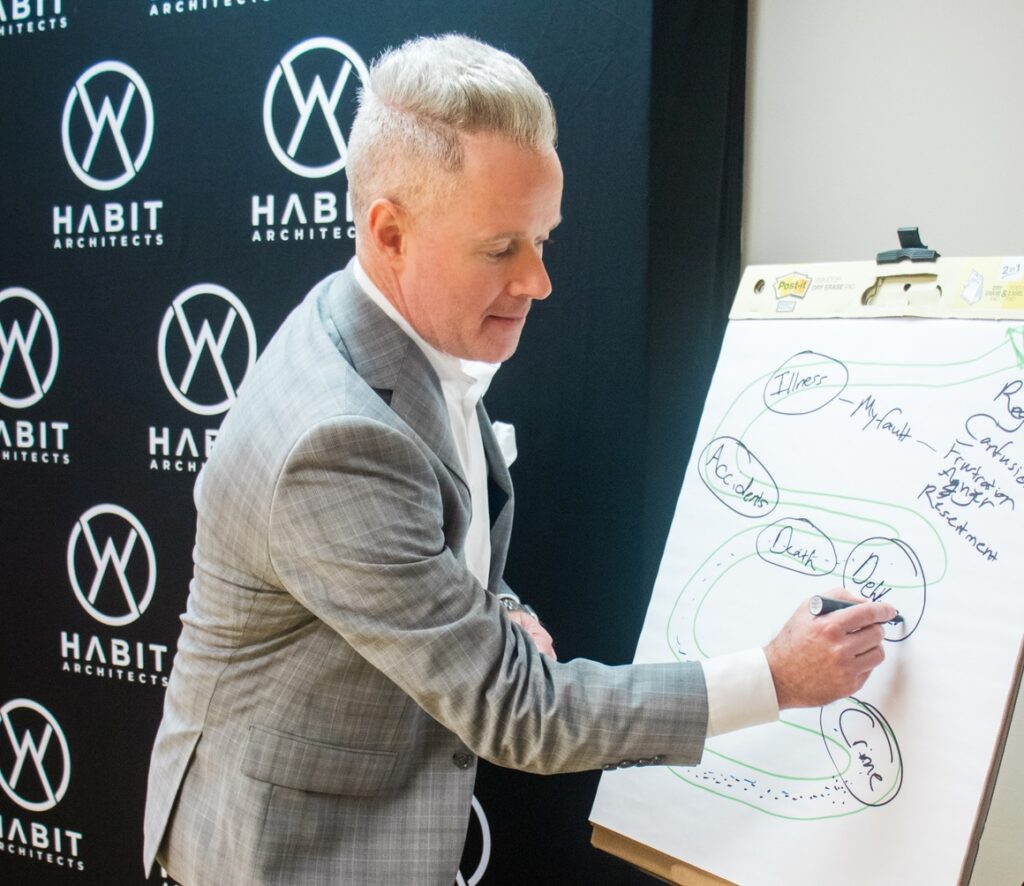
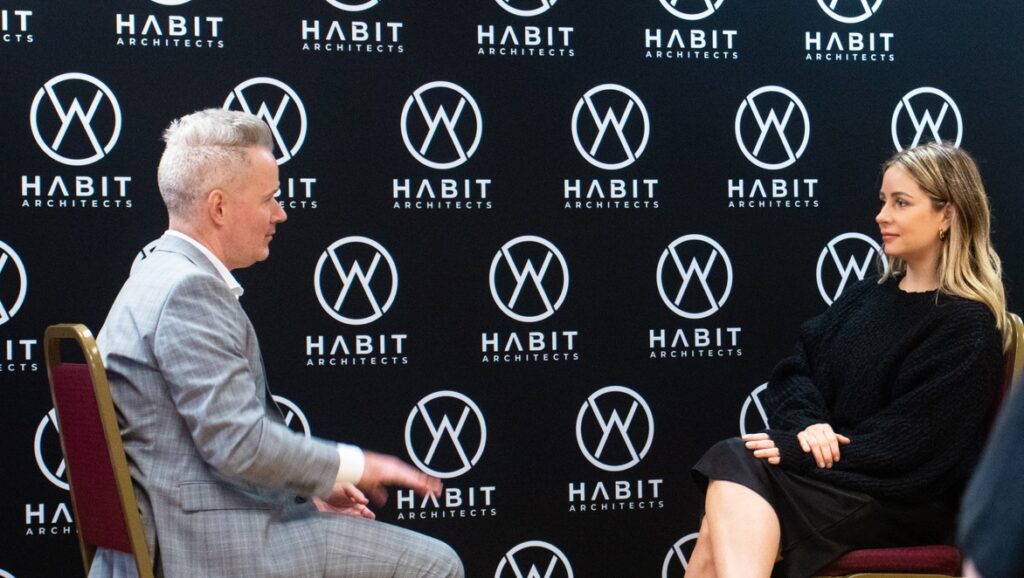

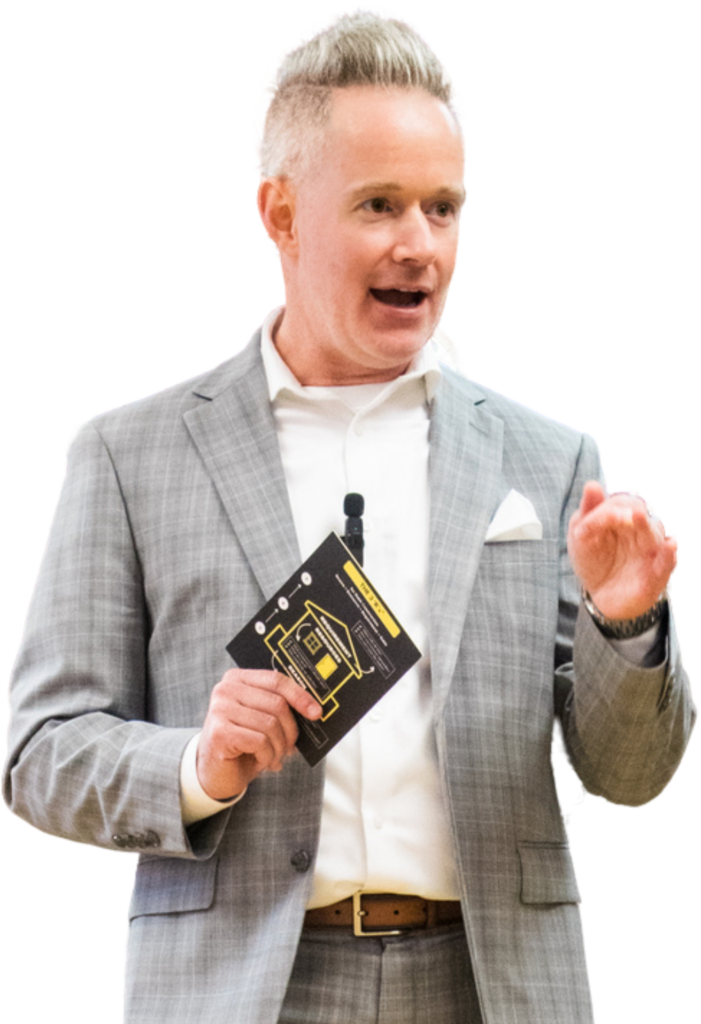
Through LIVE discussion and demonstration with REAL participants, get everything you need to...
01
THINK Purposefully
Learn to identify the source of your thoughts, sensations, and impulses.
02
FEEL Peacefully
Let go of the distortions that cloud and complicate life, and experience peace that comes through simplicity.
03
ACT Powerfully
Learn to quiet the noise of your inner naysayers so you can receive direction from you inner wisdom, then act on it.
Success Stories
“The process of finding the “kinks” in the subconscious mind and learning I can attach a different feeling to them was so powerful.”
Michaela H.
Rated 5 out of 5
"Joe's engaging and intuitive way of explaining the content was really helpful. Watching the method in action with a volunteer was impactful for me. I spent the rest of the weekend talking about my experience."
Christina M.
Rated 5 out of 5
“I left feeling confident in myself.”
Irene D.
Rated 5 out of 5
Your subconscious mind is your best friend. Are you speaking the same language?
Joe Hudson
Licensed Clinical Social Worker (LCSW), psychotherapist, coach, and the founder of Habit Architects.
It’s Time To Think, Feel, and Act with purpose, peace, and power!
I started Habit Architects because my experience as a therapist and coach continued to show me that most people consciously KNOW what they want to be BEING, DOING, and HAVING, yet something seems to be holding them back.
I came to believe that SUBCONSCIOUS beliefs were that thing holding everyone back!
Therefore, I believe the key to changing what you want to change is causing that change at the level of your subconscious mind.
In the workshop, you’ll be surrounded by a diverse community that will inspire and support you.
This isn’t just an event. It’s an opportunity to FREE yourself from the past so that you have POWER in the present.
The time to do that is NOW.